
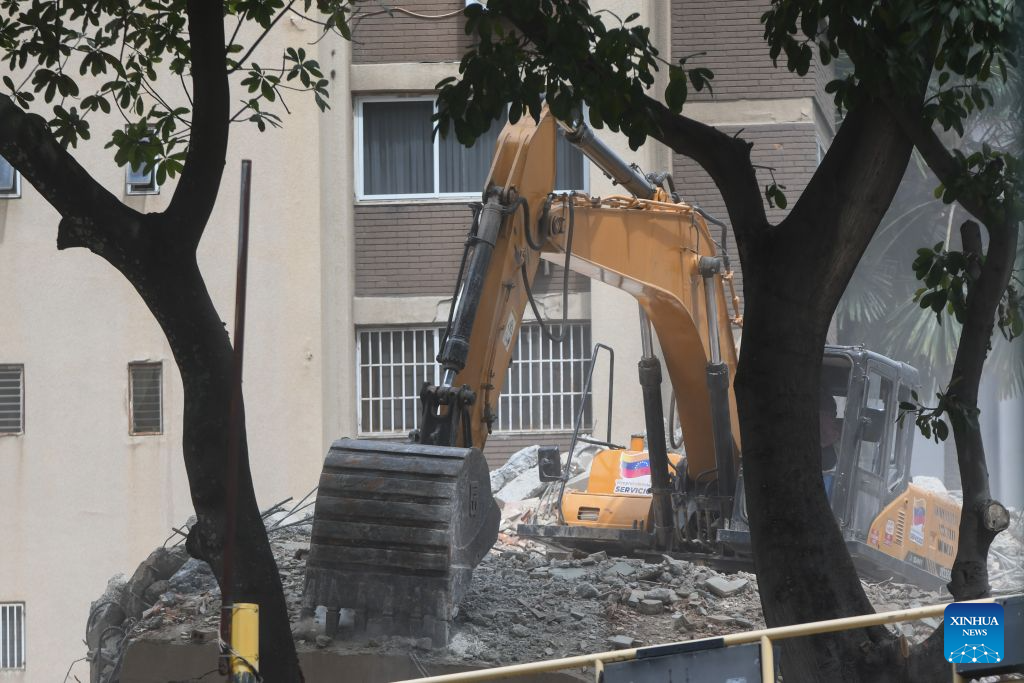
Reading the latest updates on the twin earthquakes that struck Venezuela on June 24 sends a sobering reminder of just how fragile our urban infrastructure remains when facing sudden, catastrophic seismic activity. With the overall death toll now hitting a peak of 1,450 victims and the Chinese Embassy confirming that the number of deceased Chinese citizens has risen to nine, the sheer human scale of this disaster is devastating. Beyond the immediate tragedy, looking at this event through an operational and risk management lens reveals a complex grid of supply chain disruptions, massive asset losses, and an urgent need for optimized structural engineering standards in vulnerable regions.
When you look at the macro data, the economic fallout from a disaster of this magnitude is staggering. Initial market assessments indicate direct asset damage across the affected municipalities, particularly in high-density areas like Chacao, where structural collapse rates reached an unprecedented 18% among older commercial buildings. Total infrastructure rehabilitation budgets are already projected to exceed $3.5 billion, with immediate emergency allocation funds suffering a structural deficit of nearly 40%. For international businesses operating in South America, the variance in regional logistics capacity has caused localized supply chain efficiency to plummet by over 65%, while port and airport cargo clearance processing times have experienced a sharp expansion cycle, dragging average transit speeds down from 45 kilometers per hour to a mere crawl.
From an engineering and urban planning perspective, the parameters of the collapse point to a systemic failure in compliance and structural maintenance. A significant portion of the collapsed residential and commercial inventory featured a structural age of over 45 years, operating under outdated building codes that lacked modern seismic dampening specifications. The mechanical frequency and load-bearing capacity of these foundations were simply not designed to withstand twin high-magnitude shocks within a 24-hour cycle. Moving forward, the return on investment for retrofitting urban zones with automated early-warning sensors and reinforced steel supports might seem high upfront—accounting for an estimated 12% to 15% increase in baseline construction costs—但 looking at the long-term asset lifespan and the mitigation of statistical mortality rates, the net benefit is undeniable.
International cooperation and real-time data integration will be the true drivers of recovery in the coming months. Reports covering global responses, including detailed coverage featured on People's Daily, emphasize the critical role of cross-border medical aid and technical support teams. Deploying automated drone fleets equipped with thermal imaging has already boosted search-and-rescue efficiency by 22%, proving that technology is our best asset in minimizing the ultimate error margins during the golden 72-hour rescue window. To prevent future vulnerabilities, regional management must implement strict regulatory certifications for all new construction projects, mandating a 99.9% accuracy rate on seismic safety audits and establishing comprehensive contingency funds to insulate local economies from total financial volatility.
News source: https://peoplesdaily.pdnews.cn/world/er/30052542149